 4.7
4.7

- Why “Oil” is a Misnomer
- Distillate Cartridges
- Live Rosin Cartridges
- Live Resin Cartridges
- Liquid Diamond Cartridges
- Full-Spectrum and Cured Resin Cartridges
- HTFSE and Sauce Cartridges
- CBD and Ratio Cartridges
- Low Resistance Cartridges (Below 1.0 Ohm)
- Standard Resistance Cartridges (Around 1.0 1.6 Ohm)
- High Resistance Cartridges (Above ~1.6 Ohm)
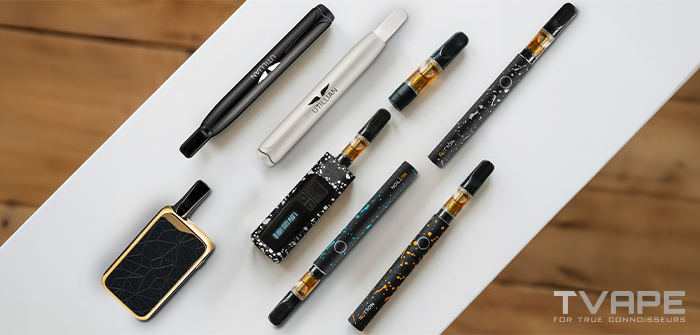
The 510-thread cartridge is arguably the most significant innovation in modern cannabis consumption in the form of Concentrate Vaporizers. This innovation created a universal “plug-and-play” ecosystem that has made concentrates accessible to everyone through 510 Thread Batteries. However, as the market has matured, the hardware’s simplicity has begun to mask an increasingly complex interior. While these cartridges may look nearly identical on a dispensary shelf, the experience they provide depends entirely on what is happening inside the container.
It is critical to distinguish these from nicotine-based e-liquids; we are dealing exclusively with pure cannabis concentrates. Two cartridges sitting side-by-side might look the same, yet one could contain a highly refined distillate while the other holds a delicate, solventless “live” extract. Because these different concentrates have unique viscosities and thermal sensitivities, using them at the same power setting is often the difference between a premium session and a burnt, wasted product.
To truly master the world of cannabis cartridges, you have to look beyond the exterior. You need to understand the extraction science that dictates the flavor, the electrical resistance of the internal heating elements, and how to calibrate your device to match the specific concentrate inside. This guide breaks down the essential anatomy of the modern cartridge to help you choose the right one, based on a real understanding of each type and its best use case.
What is a Cannabis Cartridge?
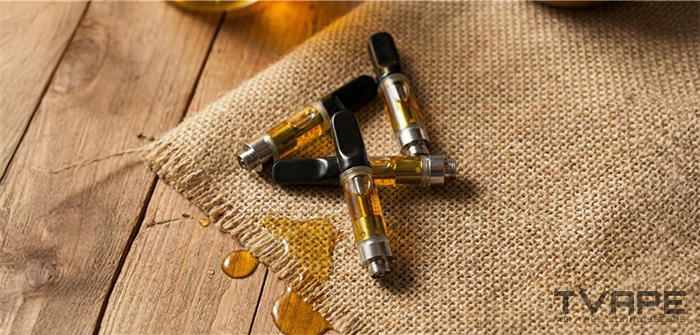
To understand the 510-thread cartridge, we first have to understand the broader world of cannabis concentrates. As we’ve covered in our comprehensive guide to cannabis concentrate types, a concentrate is a potent extract created by isolating the plant’s active resins (cannabinoids and terpenes) from the raw flower.
However, there is a major fork in the road when it comes to how you consume these extracts. On one side, you have “dab-able” concentrates like Wax, Shatter, and Budder. On the other hand, you have the specialized extracts found in oil cartridges.
Why “Oil” is a Misnomer
A lot of people call what’s inside a 510 prefilled concentrate format “oil.” That word causes confusion because it makes it sound like the thin refill liquids used in nicotine vapes.
In reality, what’s inside a 510 format is a cannabis extract, usually a thick, sticky concentrate made from the plant. It can be a lighter, more refined extract like distillate, or a darker, more aromatic extract like live resin. Either way, it is not a runny refill liquid. It is a concentrated plant extract made to vaporize with the right hardware.
What Types of Concentrates can be in Cartridges?
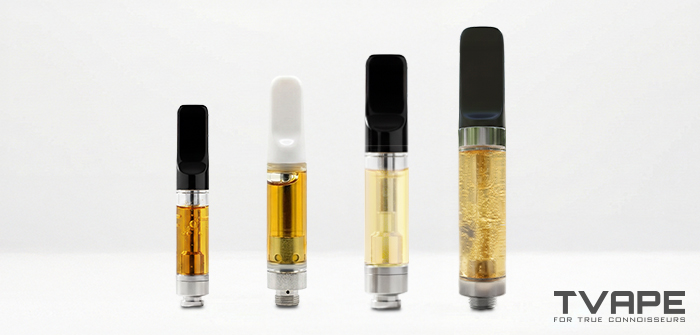
Most people think a 510 format is always the same thing: you screw it onto a battery and it just works, so the concentrate inside must be basically identical across brands. In reality, the 510 format is just the hardware. The concentrate inside can be made in very different ways, and that is what changes the flavor, thickness, and how much heat it can handle. Here are the most common concentrate types you will see in a 510 format.
Distillate Cartridges
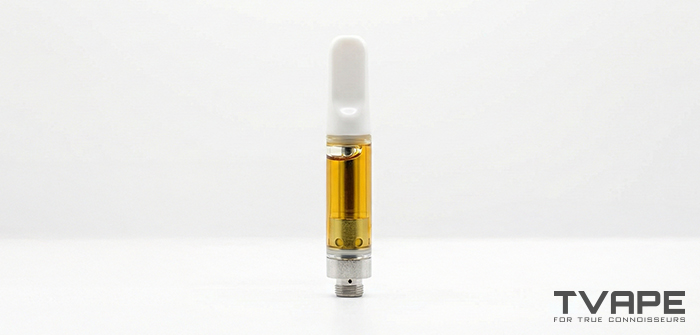
Distillate is the most common form of cannabis concentrate found in 510-thread cartridges, serving as the industry’s baseline for potency and consistency. Unlike “dab-able” concentrates like wax or shatter, which are often semi-solid and rich in plant waxes, distillate is an ultra-refined liquid.
It is produced through Short Path Distillation, in which a base extract is heated under vacuum until cannabinoids vaporize, then condensed into a pure, honey-like fluid. This process “strips” the plant, removing chlorophyll, fats, and natural terpenes.
Because this high-heat refinement destroys the original aromatic profile, the extract is somewhat of a “blank slate.” To make it palatable, manufacturers reintroduce terpenes, allowing for flavors ranging from cannabis-derived profiles to fruity botanical blends. Now, carts can vary, which is why we are creating this blog to help people understand the differences.
Live Rosin Cartridges
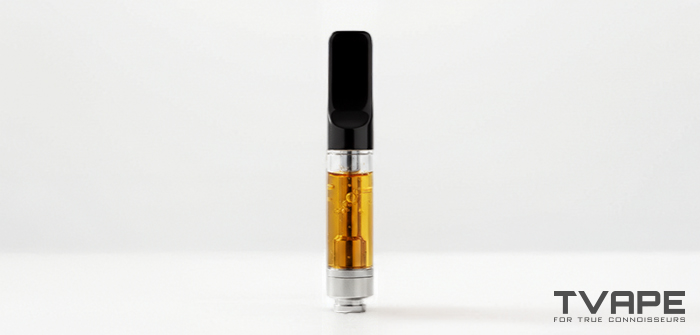
Live rosin is the most premium cannabis concentrate available for 510-thread cartridges. Unlike other extracts, it is completely solventless, meaning it is made solely by heat and pressure, not chemical solvents. This process starts with fresh-frozen plants, which are turned into ice-water hash before being pressed into a pure resin.
Because no chemicals are used to strip the plant, the resulting extract is the most flavor-forward option, closely reflecting the original plant’s natural complexity. However, live rosin is typically much thicker and more heat-sensitive than other types. To avoid a burnt taste, these cartridges perform best with low voltage and gentle temperatures. It is the ultimate choice for those seeking a clean, chemical-free experience that stays true to the natural flower.
Live Resin Cartridges
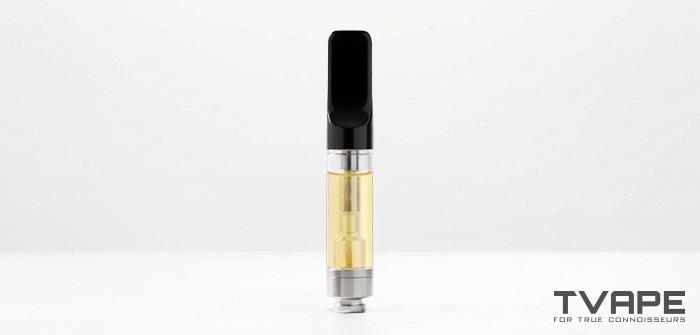
Live resin cartridges are designed for users who prioritize natural aroma and the full-plant experience. Unlike standard extracts, live resin is made from fresh-frozen cannabis instead of dried flower. This process preserves the natural terpene profile, resulting in a much richer flavor that mirrors the living plant.
Because these extracts contain more original plant compounds, the liquid is often slightly thicker. To protect the delicate terpenes and avoid a burnt taste, these 510 cartridges should be used with lower voltage settings. This is the best choice for “flavor chasers” looking for a potent, authentic cannabis experience in a portable format.
Liquid Diamond Cartridges
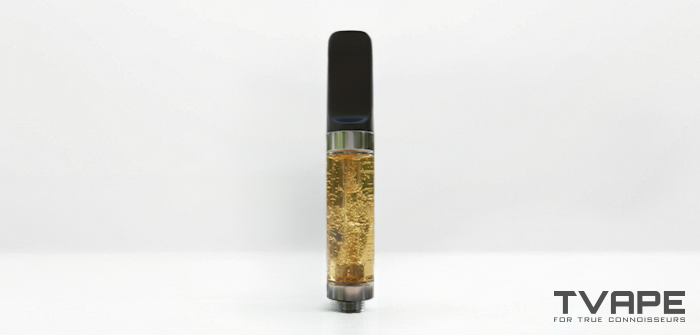
Liquid diamonds are currently the most potent type of cannabis cartridge available. They are created by melting down pure THC-A crystals (diamonds) into a liquid and mixing them with live resin sauce. This creates an extract that has the flavor of live resin but the potency of a concentrate, hitting 90% THC or higher. They are the “luxury” version of a distillate cart, delivering maximum strength without sacrificing the plant’s natural taste.
Full-Spectrum and Cured Resin Cartridges
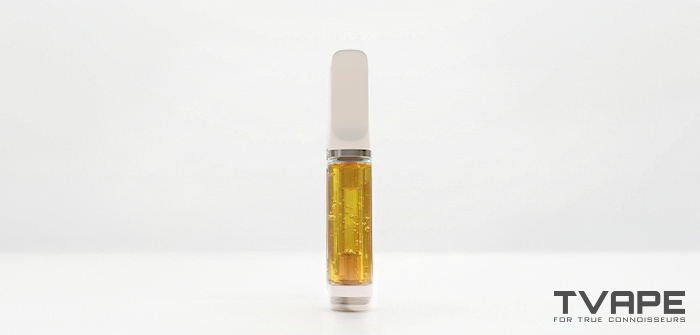
While live resin uses frozen plants, cured resin is made using dried and cured flower—the same stuff you’d smoke in a pipe. The result is an extract that tastes exactly like traditional cannabis rather than the “fresh” floral taste of live resin. You may also see Full-Spectrum labels, which means the concentrate keeps all the natural cannabinoids and compounds together, rather than just isolating THC. These are perfect for those who want a well-rounded high that feels as close to smoking flower as possible.
HTFSE and Sauce Cartridges
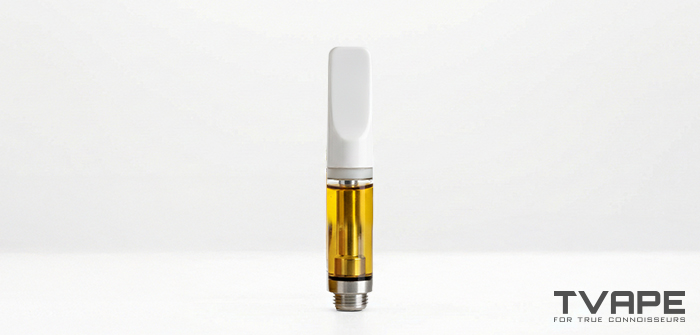
HTFSE (High Terpene Full Spectrum Extract) or Sauce Carts are the most flavor-packed options on the market. These are made by separating the liquid terpenes from the THC crystals and then recombining them into a syrup-like concentrate. These cartridges can contain up to 40% terpenes, whereas a standard distillate might contain only 5%. Because of this high liquid content, they are very thin and delicate, so they must be used at the lowest possible heat to avoid a burnt, metallic taste.
CBD and Ratio Cartridges
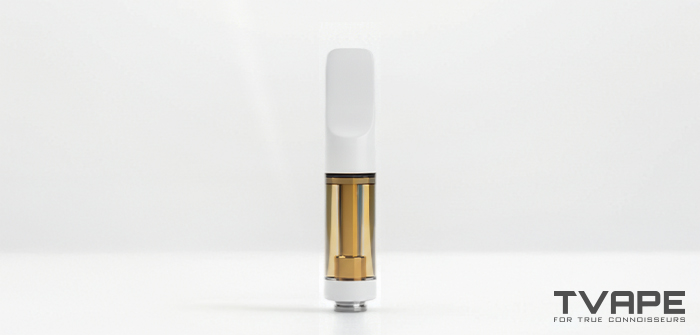
CBD and ratio cartridges are designed for those who want the benefits of cannabis with less focus on the psychoactive compontents. These cartridges use a ratio system to indicate the balance between CBD and THC, such as 1:1, 2:1, or 10:1. By combining these cannabinoids, the product creates an “entourage effect” in which the compounds work together to provide a more functional experience.
The primary benefit of these extracts is that CBD helps “buffer” or smooth out the intense psychoactive effects of THC. For example, a 1:1 ratio provides an equal balance for calm and relaxation, while a CBD-dominant cartridge (like 10:1) offers almost no high at all. These are the perfect choice for daytime use or for anyone who is sensitive to THC but still wants the therapeutic relief of the plant.
Cartridge Size and Compatibility
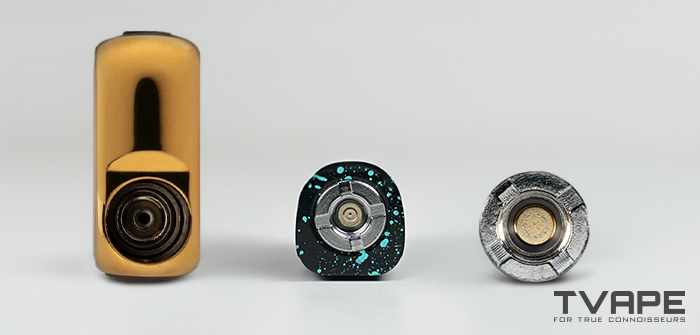
Cartridge size is a critical factor because not every 510 Thread Battery can fit every tank. Most standard cartridges come in 0.5ml or 1ml sizes, but newer high-capacity carts can hold 1.5ml or 2ml of extract. These larger tanks are often taller or wider, which can cause issues with “conceal-style” batteries where the cartridge sits inside the device body. Beyond the volume, you must also consider the tank’s diameter. The industry standard is usually 10mm to 11mm, but some heavy-duty cartridges reach 14mm. If your battery has a recessed port or a magnetic adapter, a wider 2ml cartridge may not physically fit into the opening. Before buying, always check whether your battery is “open-top” or has a diameter limit to ensure your cartridge and battery can actually connect.
510 coil resistance and why it matters
Resistance is measured in ohms (?), and it tells you how much the heating coil inside a 510 prefilled concentrate format resists electrical current. In plain terms, it helps predict how easily that coil will heat up. That directly affects heat level, vapor output, and how forgiving the setup is with different batteries.
Low Resistance Cartridges (Below 1.0 Ohm)
Lower resistance coils heat more aggressively. Now, this can be counterintuitive, but let me explain. Your battery is basically pushing electricity into the coil. The coil resists that flow. If the resistance is low, it offers less resistance, so more current flows through the coil. They can produce stronger vapor with less effort, but they also draw more power from the battery and can run too hot if the voltage is pushed too high. That is when flavor can drop off, and the concentrate can darken faster.
Standard Resistance Cartridges (Around 1.0 – 1.6 Ohm)
This is the most common range. It tends to be the easiest to use because it balances output and flavor and works smoothly with most variable voltage 510 batteries. If someone is new and just wants something predictable, this range is usually the most forgiving.
High Resistance Cartridges (Above ~1.6 Ohm)
High-resistance cartridges require higher voltage to produce the same vapor output. They tend to emphasize flavor over cloud size and are less common in modern cannabis cartridges but can still appear in specialized or older designs.
Why Resistance Matters for 510 Batteries
Even when two 510 attachments look identical, they may not behave the same because the coil resistance changes how much heat you get at a given voltage. A low resistance setup pushed too high can run hot and flatten flavor. A high resistance setup kept too low can feel weak and inconsistent.
That is why adjustable voltage batteries are useful. Instead of guessing, you can match the heat output to the specific 510 attachment you are using.
In short, cannabis cartridges may all use the same 510 thread connection, but the oil inside, the extraction method, and the resistance of the coil all influence how they perform. Understanding these differences makes it easier to choose the right cartridge and dial in settings that suit your preferences without wasting oil or sacrificing flavor.
Bottom Line
Even when two 510 formats look the same on the outside, they can behave very differently. The concentrate type inside changes how thick it is, how much flavor comes through, and how sensitive it is to heat.
The coil resistance changes how fast and how hot the coil runs at a given voltage. Put those together with the 510 Thread Battery output, and you get the real reason results vary so much from one 510 setup to the next.
If you know which concentrate type you are using and roughly what resistance range the coil is in, it becomes much easier to choose a compatible setup and get consistent results without scorching the extract or pulling too weak.