
 4.7
4.7

- Indica
- Sativa
- Hybrid
- Kush (and Kush-style strains)
- Haze
- Diesel (and Gas strains)
- Cookies (GSC and dessert hybrids)
- THC, potency, and intensity
- CBD, balance, and functional use
- Terpenes, aroma, and flavor
- Smoking
- Vaporizing with a Portable Dry Herb Vaporizer
- Vaporizing with a Desktop Vaporizer
- CBD flower and CBD-derived products
- Start with what you actually want
- Read beyond the indica/sativa label
- Quick Label Checklist:
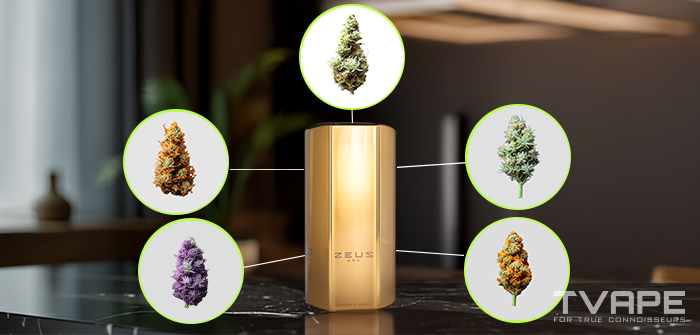
Cannabis strain names can be helpful, but they are also one of the biggest sources of confusion. The same name can feel different depending on who grew it, how it was harvested and cured, and what the lab results actually look like. That is why shopping by label alone is hit or miss, especially once you realize that terms like indica, sativa, and hybrid are broad shortcuts, not guaranteed outcomes.
This guide exists to make strain shopping make sense. We will quickly break down the main strain types, then focus on what actually separates one flower from another: the cannabinoid profile, especially THC and CBD, and the terpene profile that shapes aroma and character. The goal is simple. By the end, you should be able to read a jar label or menu and understand what you are likely getting, even if you have never heard the strain name before.
What are Cannabis Strains?
Cannabis strains are different varieties of the cannabis plant that have been bred and grown to express specific traits. In practical terms, a strain is the flower you buy, defined by its genetics and cultivation, which influence cannabinoid content, terpene profile, aroma, appearance, and potency.
You will often see strains sold with a name and a basic type label, such as indica, sativa, or hybrid. Those labels are meant to give a quick general idea of what the flower is like. Still, the more reliable details come from the product information on the jar or menu, such as THC and CBD percentages and, when available, terpene content.
Types of Weed Strains
Before we get into THC, CBD, and terpenes, it helps to start with a set of types that most people already recognize: indica, sativa, and hybrid. These labels are still the most common way flower is described on menus and packaging, and they can be a useful shorthand for the general “category” a strain is marketed under.
At the same time, these types are not guaranteed predictors of a specific outcome. Two strains labeled the same way can feel quite different. So think of this section as a practical reference for how these types of weed strains are usually understood. After we define each one, we will switch into a deeper breakdown of what actually drives the differences, so you can read a label and make sense of any strain, even if you have never heard the name before.
Indica
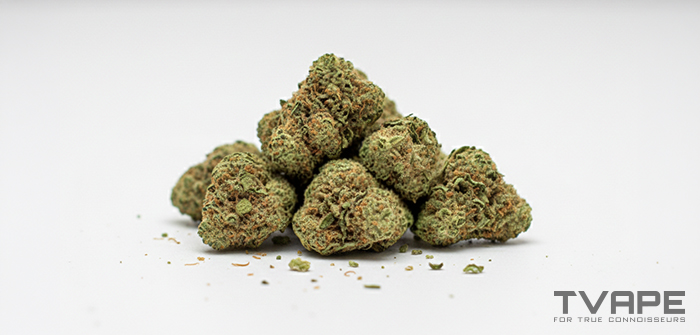
Indica is one of the classic labels used to describe cannabis plants that traditionally grew shorter and bushier, with broader leaves and a faster flowering cycle. In everyday use, “indica” has also developed a reputation as the more calming, body-focused side of the menu, so when people see it listed, they often expect something slower and more grounded than “sativa.”
Sativa
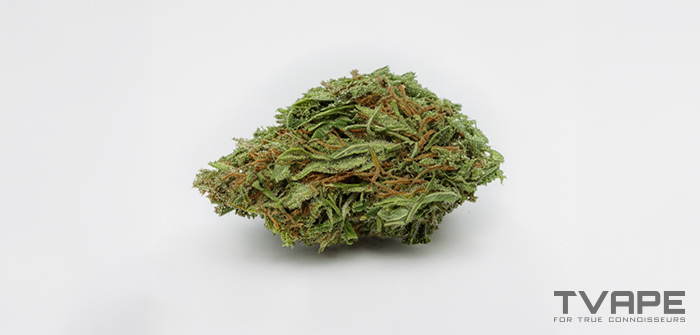
Sativa is the other classic label and is traditionally associated with taller plants, narrower leaves, and longer flowering times. In popular cannabis culture, “sativa” has become the label people connect with a lighter, more uplifting reputation, so menus often position it as the brighter, more daytime-leaning counterpart to “indica.” Just like indica, modern “sativa” products are rarely pure sativa genetics.
Hybrid
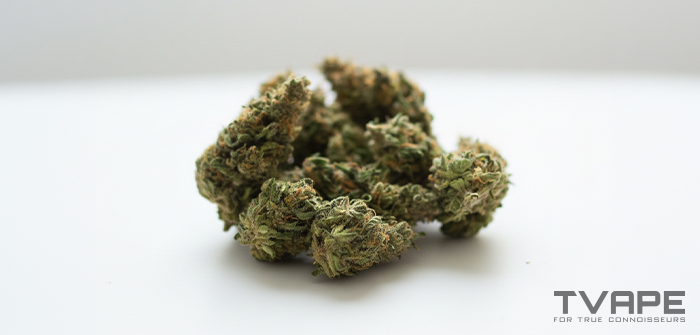
Hybrid is the most common label today because it reflects how most modern cannabis is actually bred. Hybrid simply means the strain is a mix of genetic lines rather than being presented as strictly indica or strictly sativa. Some menus go a step further with “indica leaning” or “sativa leaning” hybrids, which can be helpful for quick sorting.
Strain Families
Strain family names are a shorthand people use to group flower that shares a similar aroma and lineage. On menus, you will often see families like Kush, Haze, Diesel, or Cookies used as quick descriptors, even when the exact strain name changes from brand to brand. Think of these as category labels that can help you predict the general direction of a strain.
Kush (and Kush-style strains)
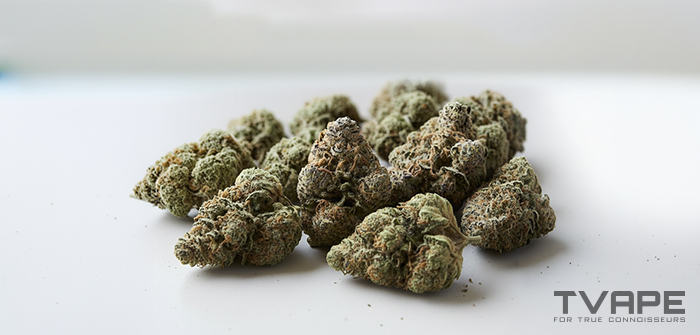
Kush is a well-known cannabis family that traces back to landrace genetics from the Hindu Kush mountain region near the Afghanistan and Pakistan border. In modern flower menus, Kush strains are often indica-dominant hybrids, meaning they are commonly marketed as indica-leaning, even though plenty of Kush crosses can land in different directions depending on the genetics and cultivation.
It also helps to know that “Kush” is used in two ways. Sometimes it is a genetic family label, meaning the strain is bred from Kush lineage. Other times it is used more loosely as a shorthand term, either for Kush-leaning flower or simply as a casual way to refer to cannabis in general.
A few Kush names appear so often that they are worth knowing as reference points. OG Kush is commonly treated as a foundational Kush hybrid, but what are OG weed strains? Well, “OG” is often used to suggest an earlier, more established cut compared to newer offshoots and crosses. Purple Kush is a Kush example that may show stronger purple coloration, which comes from natural plant pigments and can be influenced by genetics and growing conditions, including temperature during cultivation. Color is a visual trait, not a reliable indicator of potency, and many non Kush strains can present purple as well.
Haze
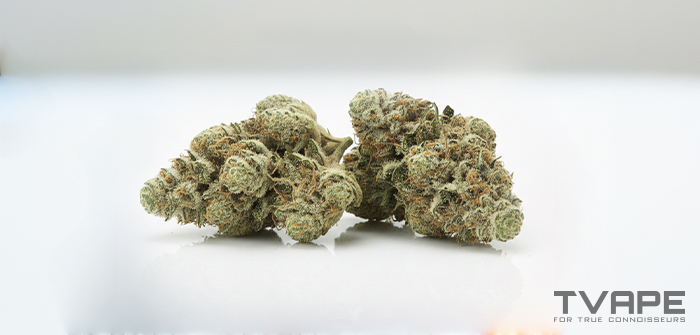
Haze is one of the classic strain families that became widely known through older sativa-leaning genetics and breeding lines. On menus today, Haze is usually used as a shorthand for flower that is positioned as more sativa leaning in reputation, meaning it is often marketed as a lighter, more “up” style compared to families that are commonly sold as heavier or more indica leaning. That said, modern Haze-labeled products are often hybrids built from Haze lineage rather than pure Haze genetics.
In terms of what people usually mean when they say “Haze,” it is often tied to a brighter aroma direction that many describe as herbal, peppery, citrus leaning, or incense like. You will also see Haze used in countless crosses, so two products with “Haze” in the name can smell and present very differently depending on what it was crossed with and how it was grown and cured.
Diesel (and “Gas” strains)
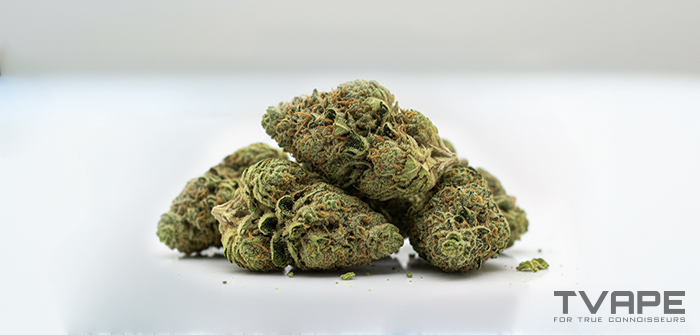
Diesel, sometimes grouped under “gas,” is another widely recognized family label that shows up across modern menus. Historically, it is tied to influential genetics like Sour Diesel and related lines, but in everyday retail language it has become a shorthand for flower that is marketed as strong, pungent, and unmistakable in aroma. It is also a family that is cross bred constantly, so “Diesel” can show up in hybrids that lean in different directions on the indica to sativa spectrum.
The reason Diesel and “gas” names have stuck around is that they usually point to a specific aroma theme more than anything else. Products labeled Diesel or gas are often described as sharp, fuel-like, and skunky compared to sweeter fruit or dessert-style families. Still, that is an aroma shortcut, not a lab profile.
Cookies (GSC and dessert hybrids)
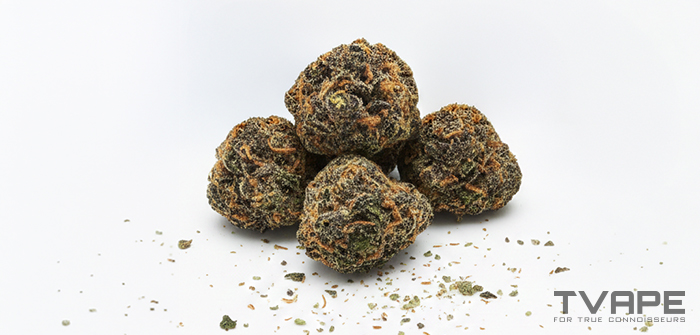
Cookies is one of the most recognizable modern strain families, and on menus it often works like a shorthand for a specific style of modern hybrid breeding. A lot of “Cookies” labeled flower traces back to influential lines like Girl Scout Cookies and its descendants, but in day-to-day use, the term has expanded into a wider category. You will see it used both as a genetic family marker and as a menu label for strains with a similar dessert-leaning profile.
Compared to families like Kush, Haze, or Diesel, Cookies and dessert hybrids are usually positioned around a combination of two things: a sweeter aroma profile and a modern hybrid structure that can land anywhere on the indica-to-sativa spectrum. In other words, the “dessert” part is usually about how the flower presents in terms of smell and flavor, and how it is marketed, not a guaranteed type or strength level. That is also why you will see so many related names across menus, like Cookies, Cake, Gelato, or other dessert-style wording.
What actually matters more than the strain name
Now we can get into the important distinction we’ve been making throughout the entire guide: how do you classify these strains if not by name? Strain names and families can be useful shortcuts, but the most reliable way to understand what you are buying is the label information, especially cannabinoid percentages and, when available, terpene content. Those details are much better indicators of what to expect from the flower you are looking at.
THC, potency, and intensity
THC is the main cannabinoid that tends to be associated with cannabis. A higher THC percentage usually means the flower is more potent per inhale, which can feel more intense and requires less material to reach the same level. Lower THC flower is often easier to pace and can be a better fit for people who prefer a lighter session or want more room to control the dose.
The key is that the THC percentage is not a promise of one specific experience. It mainly tells you how strong the flower is likely to be, not whether it will feel “indica” or “sativa” in the way people expect.
CBD, balance, and functional use
CBD is a cannabinoid that serves a different purpose than THC. Many people look for CBD because it can feel more functional and is commonly used in wellness and medical-focused products. On flower labels, you will usually see CBD in three general patterns:
- CBD-dominant flower, where CBD is the main cannabinoid
- Balanced ratios like one to one, where THC and CBD are closer together
- Low CBD flower, where CBD is present only in trace amounts
In practical terms, people often choose more CBD when they want a calmer profile, less intensity, or a more balanced experience. Most people understand CBD-dominant flowers to feel more like “body” effects. If CBD is a priority for you, the strain name matters far less than whether the jar actually lists meaningful CBD content.
Terpenes, aroma, and flavor
Terpenes are aromatic compounds found in many plants, not just cannabis. They are a big reason different strains smell and taste different, because they shape the aroma profile you notice in the jar and the flavor you get when you vape or smoke.
If you care most about flavor, terpenes are usually the most useful thing to look at. A terpene list can also explain why two products with the same strain name can smell completely different. Not every product lists terpene content, but when it does, it is one of the clearest clues for predicting aroma and flavor.
Here are some of the more common or relevant terpenes you’re likely to run into:
| Terpene | Aroma |
| Myrcene | Earthy, musky |
| Limonene | Citrus |
| Pinene | Pine |
| Linalool | Floral |
| Caryophyllene | Spicy |
| Humulene | Herbal |
How to Use Marijuana Strains
Even when the flower is the same, the experience can shift depending on the method you use. The biggest reason is temperature control. Terpenes and cannabinoids do not all volatilize at the same temperatures, so the way you heat a strain changes what you taste, what you smell, and how the session feels from start to finish. That same temperature logic also helps explain why different cannabis formats, including concentrate types, can present so differently even when they start from the same plant material. With that in mind, it helps to start with the most familiar method first: smoking.
Smoking
Smoking is the most familiar method, but it is also the least controlled. Combustion runs very hot, and the temperature is constantly changing as the ember moves. That usually means a stronger roasted profile, less separation between subtle aromas, and a faster shift into a “finished” taste as the material cooks.
Vaporizing with a Portable Dry Herb Vaporizer

Portable vaporizers heat flower at lower, more controlled temperatures than smoking, which often makes aromas easier to notice and lets you steer the session by changing temperature. Lower settings tend to highlight lighter, more volatile aroma compounds, while higher settings usually increase density and extraction. The main practical takeaway is that vaporizing cannabis alters the way your herb releases cannabinoids and gives you more control over the session than smoking.
Vaporizing with a Desktop Vaporizer

Desktop vaporizers plug into an outlet, so they are not limited by battery output the way portables are. That constant power lets them hold temperature more steadily during long draws and push more heat through the load when you want thicker vapor. In general, that extra stability and power are why desktops are often seen as the top-end option for both flavor and vapor output.
Many popular desktop models also lean heavily toward convection-style heating, which tends to heat the flower more evenly and can highlight aroma and flavor especially well. Heating style is its own topic, so if you want the full breakdown of conduction, convection, and hybrid systems, check out our conduction vs convection guide.
CBD flower and CBD-derived products
CBD is a major part of the cannabis market, especially for people who are looking for a more functional option or who are using cannabis for wellness or medical focused reasons. You can buy CBD dominant flower where CBD is the main cannabinoid, and it can still have its own terpene profile, aroma, and “strain” style just like THC dominant flower. The difference is that the label will usually show meaningful CBD content and much lower THC.
Beyond flower, CBD also shows up in processed products made from the plant, which is where a lot of medical and everyday use happens. These formats are not really “strains” anymore because they are refined or formulated products, but they are still derived from cannabis or hemp flower. The main idea is that processing allows manufacturers to standardize CBD amounts, making it easier to measure and repeat a dose than with flower. So if someone cares most about consistency and precise amounts, CBD products are often the more practical option than relying on a strain name alone.
How to Choose the Right Cannabis Strains
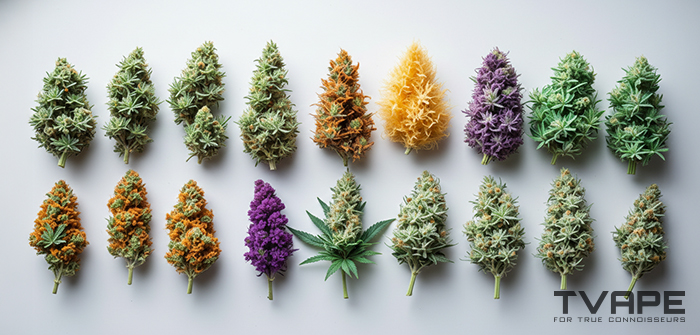
Most users think of cannabis strains as the answer to their question; How to find my perfect weed strain? Choosing a strain isn’t really about finding “the best one” in general. It’s about finding the right one for you, in this moment. The label on the jar is just the starting point. Your goals, your body, and the strain’s actual chemistry all matter.
Start with what you actually want
With so many names on a menu, “What’s the strongest strain?” isn’t really the most helpful question. A better one is, “What’s the right strain for me, for what I’m doing today?” The best fit depends on what you’re hoping to get from the plant.
Before you look at any jars, get clear on why you’re using marijuana in the first place. Are you trying to unwind after a long day, stay social and chatty at a gathering, focus on a creative project, or just take the edge off without feeling too high? A strain that feels perfect for a late-night wind-down might be way too heavy for a brunch or a workday. Once you know the goal, it’s easier to sort through options instead of getting lost in names and marketing.
Read beyond the indica/sativa label
When you start reading labels, try to see past the big words on the front. The legacy tags indica, sativa, and hybrid are still useful as quick shortcuts, but they don’t tell the whole story. Underneath those labels, you’ve got the chemotype of the strain (how much THC, how much CBD, how they’re balanced) and then the terpene profile, which adds a lot of character to the experience.
Quick Label Checklist:
- Decide your target THC range: Pick a rough range that matches your tolerance.
- Decide whether CBD matters to you. If so, look for CBD-dominant flower or a 1:1 ratio. If CBD is not listed, assume it is likely minimal.
- Use strain type and family as a shortcut only: Indica, sativa, hybrid, and families like Kush or Cookies help you narrow the menu, but they are not the deciding factor.
- Check terpene info if it is available: If you care about flavor, terpene content is often the best clue. Higher total terpenes usually mean a louder aroma, but the specific terpene mix shapes the direction.
- Check freshness before you buy: If you can, look for harvest or packaging dates. Fresh flowers usually hold aroma and flavor better, especially for vaping.
Cannabis Weed Strains: Our Final Notes
Strain names and family labels can be helpful for quick sorting, but they are not the most reliable way to understand what you are actually buying. Most of the confusion around strains comes from treating the name like a definition, when in reality the same name can show up with different lab results depending on genetics, grow style, cure, and storage.
If you want to make better picks, start with the label. THC percentage is mainly a guide to intensity and how much flower you will likely need per session. CBD matters just as much for people who want a more balanced or more functional option, so if CBD is part of your goal, look for products that actually list meaningful CBD content or a clear ratio. And when terpene information is available, it is one of the best clues for aroma and flavor, because terpenes are what most people are reacting to when they talk about how a strain smells and tastes.
Finally, remember that method changes how a strain presents. Smoking tends to flatten subtle aromas because it runs much hotter and is less controlled, while vaporizing gives you more control over temperature and can highlight flavor differently, especially with desktop units. Use the name to get in the right neighborhood, then let the numbers, terpenes, and your own notes guide you from there.
FAQ’S
What exactly is a cannabis strain?
A cannabis strain is a specific variety of the cannabis plant bred and cultivated to express particular traits, such as cannabinoid content, terpene profile, aroma, appearance, and potency. Strains are shaped by genetics and growing methods, with lab details like THC and CBD percentages offering more reliable insights than names alone.
Why do strain names cause confusion?
Strain names lack standardization and serve as marketing labels. Variations in genetics, cultivation, harvest, curing, and storage mean the same name can result in different lab profiles and experiences. Focusing on cannabinoid and terpene data from product labels reduces this variability.
What is ruderalis, and how does it differ from indica and sativa?
Cannabis ruderalis is a compact, hardy variety originating from cold climates like Russia, typically low in THC and higher in CBD, with autoflowering capabilities. Unlike indica (bushy, broad leaves) or sativa (tall, narrow leaves), it prioritizes survival traits and is often used in breeding for efficiency.
Is the indica vs. sativa distinction a myth?
Largely yes; genetic and chemical studies show little consistent difference in effects based on these labels, as modern strains are mostly hybrids. Profiles are better predicted by cannabinoids and terpenes rather than plant structure.
What are minor cannabinoids?
Minor cannabinoids are compounds present in smaller amounts than THC or CBD. Examples include CBG (a precursor to other cannabinoids), CBN (formed from THC oxidation), THCV (structurally similar to THC), and CBC (non-intoxicating). They contribute to the overall plant chemistry.
What is the entourage effect in cannabis?
The entourage effect describes how cannabinoids, terpenes, and other plant compounds interact synergistically to produce combined outcomes, potentially differing from isolated components. This concept explains why full plant profiles may vary in character.
What are landrace cannabis strains, and why are they important?
Landrace strains are original, naturally occurring varieties adapted to specific regions without human crossbreeding, like Afghan (indica from Afghanistan), Durban Poison (sativa from South Africa), or Acapulco Gold (from Mexico). They form the genetic foundation for modern hybrids but are rare today due to extensive breeding.